
Traditional schooling follows a fixed routine: fixed hours, fixed classrooms, fixed schedules and a fixed pace of learning. But not every child can thrive within the same structure.
For student-athletes, performers, and children with unique schedules, flexible schooling in India offers an alternative. It allows students to continue their education while creating more room for training, travel, competitions, and individual learning needs.
But what exactly is flexible schooling, and how does it work?
What Is Flexible Schooling in India?
Flexible schooling in India refers to education models that give students greater control over when, where and how they learn, while still allowing them to work towards recognised academic qualifications.
Unlike conventional schools, flexible schooling can adapt the academic schedule around a student’s individual commitments. Depending on the programme, students may have access to online classes, recorded lessons, flexible study hours, personalised academic support and different examination pathways.
One of the most established options is NIOS (National Institute of Open Schooling), which provides a recognised open-schooling pathway with flexibility in subjects, learning pace and examinations.
For students who need structure but cannot follow a conventional school timetable, flexible schooling can offer a practical middle ground.
Why Is Flexible Schooling in India Becoming Important?
A student’s life does not always fit neatly into an 8-hr school schedule.
Consider a young footballer travelling for tournaments, a golfer spending hours on the course, a tennis player attending regular training sessions, or a swimmer preparing for national-level competitions. Attending school for several hours every day, completing homework and preparing for exams can become difficult alongside serious training.
This is where flexible schooling in India can make a difference.
Instead of asking students to choose between academics and their ambitions, flexible education allows learning to become more adaptable to their schedules.
Students can use recorded classes when they are travelling, revise concepts at their own pace, and continue academic work around training and competition commitments.
NIOS and Flexible Schooling in India
NIOS is one of the key pathways associated with flexible schooling in India.
The National Institute of Open Schooling allows students to study through an open-schooling model and appear for recognised examinations. Its flexibility makes it particularly relevant for students who cannot consistently follow the schedule of a traditional school.
For student-athletes, this can mean greater freedom to structure their academic routine around training and competitions without completely stepping away from formal education.
However, flexibility does not mean a lack of academic structure. Students still need consistency, planning and support to stay on track with their subjects and examinations.
How Online Learning Makes Schooling More Flexible
Technology has made flexible schooling in India considerably more accessible.
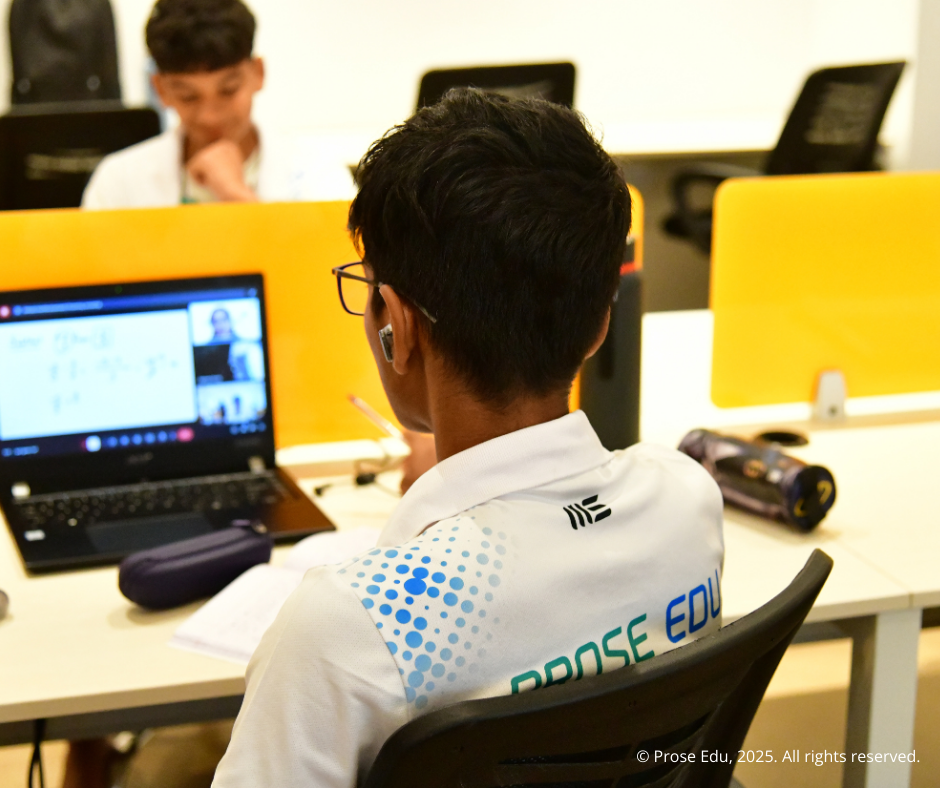
With online learning, students can attend live classes from different locations and revisit lessons when needed. Recorded classes can be especially useful when training or competitions clash with scheduled sessions.
A strong flexible schooling programme can also include:
- Live online classes
- Class recordings for revision
- Bite-sized conceptual videos
- Downloadable study notes
- Doubt-clearing support
- One-on-one academic guidance
- A dedicated academic coordinator
These resources allow students to maintain continuity in their education even when their sporting schedules change.
Flexible Schooling for Student-Athletes
For student-athletes, flexibility is not simply about convenience. It can be essential for managing two demanding commitments. A competitive athlete may spend several hours training each day, travel frequently for tournaments and need adequate time for recovery. A rigid academic timetable can make this difficult to sustain.
Flexible Schooling in Bangalore allows students to build an academic routine that works alongside these commitments.
The goal is not to reduce the importance of academics or sport. It is to create a system where both can progress together.
What Should Parents Look for in Flexible Schooling?
Not every flexible programme offers the same level of academic support. Parents should consider:
- Curriculum and recognition: Check whether the academic pathway is recognised and appropriate for the student’s future plans.
- Schedule flexibility: Understand how easily classes, recordings, and study hours can fit around the student’s routine.
- Academic support: Look for access to teachers, doubt-clearing and personalised guidance.
- Learning resources: Know if recorded lessons, revision material, and other learning resources to help students learn independently are available.
- Student support: Check if there is a dedicated coordinator who can make it easier to track academic progress and manage changing schedules.
A More Flexible Future for Education
Education does not have to follow one timetable for every student. For young people whose ambitions extend beyond the classroom, flexible schooling in India can provide the academic structure they need without forcing them to put their other goals on hold.
For student-athletes especially, the right flexible schooling model can make it possible to train harder, compete more often, and travel for opportunities while continuing to work towards their academic goals.
The future of education may not be about choosing between flexibility and structure. It may be about creating the right balance of both.