
Education in India is no longer confined to a single model of learning. While traditional schools continue to be the preferred choice for many families, an increasing number of parents are exploring alternative schools in India that better align with their child’s unique needs, interests, and aspirations. From flexible online learning programmes and open schooling pathways to schools rooted in experiential education and holistic development, alternative education is steadily gaining ground across the country. This shift is driven by a simple realization: not every child learns in the same way.
Some students thrive in creative, project-based environments. Others need greater flexibility to pursue passions such as sports, performing arts, entrepreneurship, or other specialised interests alongside their education. Many parents are also looking for learning environments that prioritise critical thinking, emotional well-being, curiosity, and real-world skills rather than focusing solely on examinations.
As a result, alternative schools in India are becoming increasingly popular among families seeking a more personalised and meaningful educational experience.
Here are 10 alternative schools and learning programmes that are reimagining what education can look like.
1. Prose Edu, Bengaluru
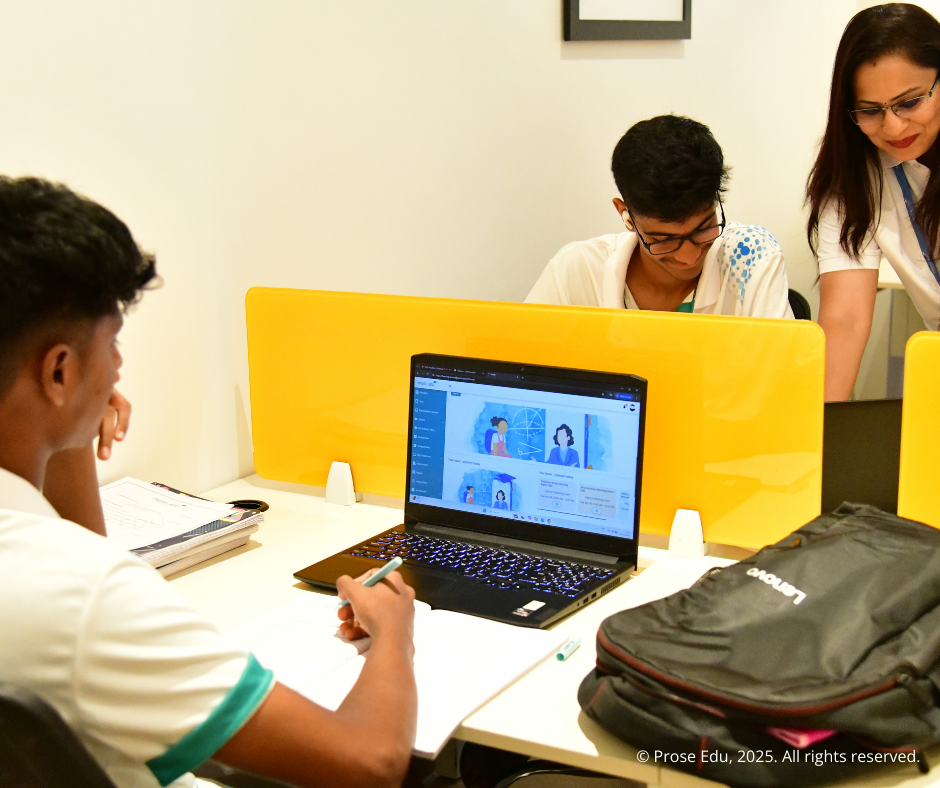
Designed specifically for student-athletes, Prose Edu offers a flexible online learning programme that enables students to continue their education without compromising their sporting ambitions. Through live online classes, personalised academic support, mentorship, and a community of like-minded learners, students can pursue excellence both in academics and sports. Rather than asking students to choose between the classroom and the field, Prose Edu helps them succeed in both. Its learner-centred model reflects the growing need for educational pathways that adapt to students rather than expecting students to adapt to rigid systems.
2. Mirambika Free Progress School, New Delhi
Mirambika Free Progress School is one of India’s pioneering alternative schools. Inspired by Sri Aurobindo’s philosophy of Integral Education, the school focuses on nurturing every dimension of a child’s development. Students learn in a non-competitive environment where curiosity, self-discovery, and individual growth take precedence over examinations and grades. Learning is guided by each student’s pace and interests, creating a deeply personalised educational experience.
3. Rishi Valley School, Andhra Pradesh
Founded by philosopher J. Krishnamurti, Rishi Valley School has long been regarded as one of India’s most influential alternative educational institutions. Set amidst a sprawling natural landscape, the school promotes inquiry, self-awareness, environmental stewardship, and holistic learning. Students engage with academics, arts, sports, and community life in an atmosphere that encourages independent thought and lifelong learning.
4. The Valley School, Bengaluru
Another institution inspired by Krishnamurti’s educational philosophy, The Valley School offers an environment where questioning, observation, and reflection are central to the learning process. The school places equal emphasis on academics, nature, creativity, and emotional well-being, helping students develop into thoughtful and responsible individuals.
5. Tridha Waldorf School, Mumbai
Tridha Waldorf School follows the Waldorf approach developed by Rudolf Steiner, which seeks to balance intellectual, artistic, and practical learning. Students participate in activities such as music, storytelling, gardening, handcrafts, and creative arts alongside academics. This integrated approach encourages imagination, creativity, and a deeper connection to learning.
6. Prakriya Green Wisdom School, Bengaluru
As its name suggests, Prakriya Green Wisdom School places sustainability and environmental awareness at the heart of education. Students are encouraged to think critically, engage with real-world challenges, and develop a sense of responsibility towards society and the environment. The school’s approach combines academic rigour with meaningful life experiences.
7. The School KFI, Chennai
Operated under the Krishnamurti Foundation India, The School KFI is built around the idea that education should help students understand both the world around them and themselves. The school nurtures curiosity, independent thinking, and self-awareness while creating a supportive environment that values learning over competition.
8. SECMOL, Ladakh
Founded by education innovator Sonam Wangchuk, SECMOL offers a unique educational experience rooted in experiential learning and sustainable living. Students engage directly with real-world projects involving renewable energy, community development, and environmental sustainability. The institution demonstrates how education can become both practical and transformative.
9. Sarang School, Kerala
Located amidst the forests of Kerala, Sarang School embraces a nature-based approach to learning. Students spend significant time outdoors, learning through exploration, community engagement, artistic expression, and interaction with the natural world. The school’s philosophy encourages creativity, self-reliance, and environmental consciousness.
10. The Mother’s International School, New Delhi
Inspired by the principles of Integral Education, The Mother’s International School seeks to nurture the physical, emotional, intellectual, and spiritual dimensions of every learner. The school combines strong academics with sports, arts, community engagement, and value-based education, offering students a balanced and holistic learning journey.
Why Are More Parents Exploring Alternative Schools in India?
The growing popularity of alternative schools in India reflects changing expectations around education.
Today’s parents are increasingly seeking learning environments that:
- Encourage curiosity and creativity
- Support individual learning styles
- Prioritise emotional well-being
- Foster critical thinking and problem-solving
- Offer flexibility for specialised pursuits
- Prepare students for an unpredictable future
Rather than focusing exclusively on marks and examinations, many alternative schools aim to develop confident, adaptable, and self-aware learners.
Choosing the Right Alternative School
Every alternative school in India follows a unique philosophy, and what works for one child may not work for another. When evaluating options, parents should consider:
- The school’s educational philosophy
- Flexibility and learning structure
- Academic pathways and accreditation
- Extracurricular opportunities
- Alignment with their child’s interests, strengths, and goals
The best educational environment is one that allows a child to learn, grow, and thrive as an individual.
Final Thoughts
The rise of alternative schools in India reflects a broader shift in how families view education. Increasingly, parents are recognising that success is not defined by a single pathway and that meaningful learning can take many different forms.
Whether it is a flexible institution like Prose Edu for student-athletes, a nature-based learning community, or a progressive school built on inquiry and creativity, they are expanding the possibilities of what education can be. As the future continues to evolve, alternative schools are helping students develop the adaptability, confidence, and curiosity they need to thrive in a changing world.