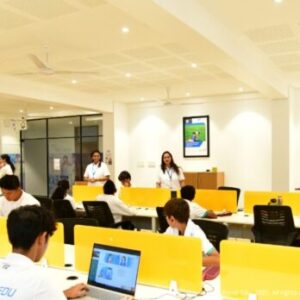

In a city like Bangalore, children grow up surrounded by opportunity. From competitive sports academies and music schools to coding bootcamps and creative studios, learning often extends far beyond the classroom. Yet for many families, traditional schooling still demands the same fixed hours, daily commutes, and rigid schedules.
This is where flexible schooling in Bangalore is beginning to reshape how families think about education.
Flexible schooling recognises that learning does not have to follow a single format to be effective. Instead, it allows students to balance academics with personal interests, training schedules, and individual learning needs, without compromising on educational progress.
What Is Flexible Schooling?
Flexible schooling is an approach where students do not follow a strictly full-time, in-person school routine. Learning may include a combination of online classes, self-paced study, academic support programmes, and in some cases, partial attendance at physical schools.
The key idea is adaptability. Parents and students can structure learning in a way that suits the child’s pace, energy levels, and commitments, while still working towards recognised academic outcomes.
For many families exploring flexible schooling in Bangalore, this approach offers a healthier balance between education and life outside the classroom.
Why Families Are Choosing Flexible Schooling in Bangalore
Bangalore is home to many student-athletes, performers, and learners who invest several hours a day in training or practice. Traditional schooling often leaves them exhausted, with little time left for rest, revision, or recovery.
Flexible schooling helps address this challenge by:
- Reducing daily commute time
- Allowing customised study schedules
- Supporting focused learning in shorter, effective sessions
- Making room for sports, arts, or personal development
Instead of rushing through packed days, students can engage more meaningfully with their studies.
How Flexible Schooling Supports Better Learning
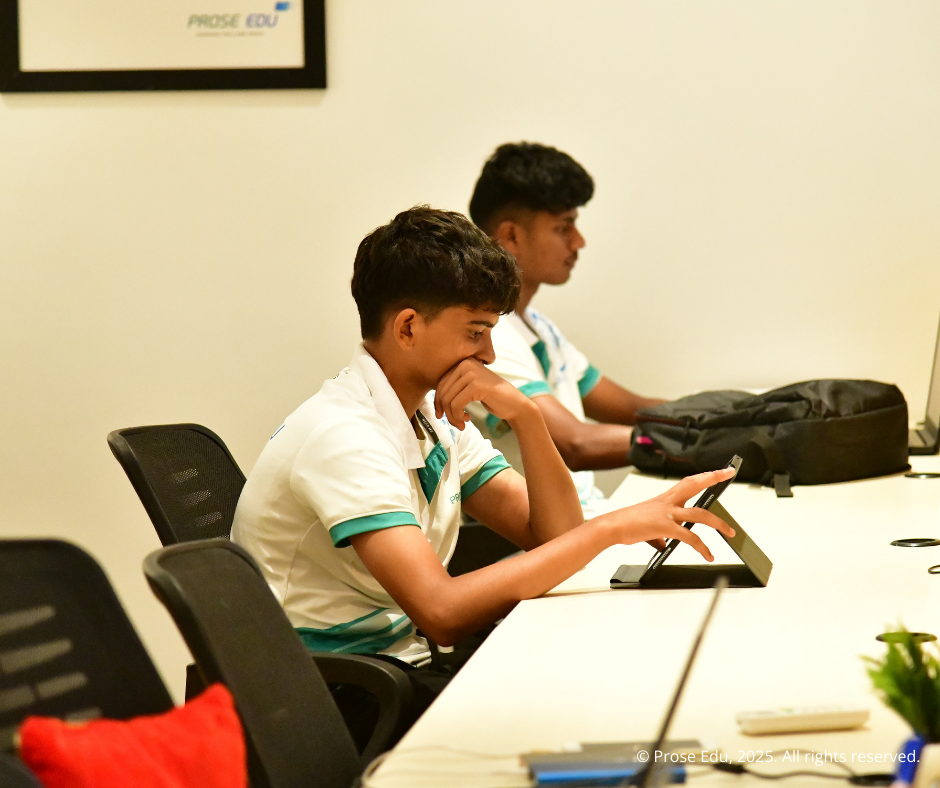
One of the biggest advantages of flexible schooling is improved focus. Smaller learning groups, personalised pacing, and reduced classroom distractions allow students to understand concepts more deeply.
When students are not overwhelmed by long school hours, they are more receptive to learning. They retain information better, ask more questions, and feel more confident about their progress.
Flexible schooling also encourages responsibility. Students gradually learn how to plan their time, manage deadlines, and take ownership of their education, skills that are valuable well beyond school years.
The Role of Academic Support in Flexible Schooling
Flexible schooling works best when it is supported by structure and guidance. Since students are not always part of a traditional classroom, academic planning becomes crucial.
Flexible schooling focuses on:
- Structured academic routines
- Curriculum planning and subject clarity
- Personalised learning support
- Balancing education with sports or passion-driven schedules
For families considering Flexible Schooling in India, programmes that facilitate it provide the consistency and accountability students need to stay on track.
Flexible Schooling and Holistic Development
Education is not just about grades. Children need time and mental space to explore interests, build confidence, and develop emotionally.
Flexible schooling supports holistic growth by allowing students to:
- Pursue sports, arts, or creative interests seriously
- Maintain better mental well-being
- Develop discipline without burnout
- Build curiosity and independent thinking
When students feel balanced, their academic performance often improves naturally.
Is Flexible Schooling Right for Every Child?
Flexible schooling is not about avoiding effort or structure. It requires commitment from students and involvement from parents. It works best for learners who benefit from personalised pacing and have clear goals outside conventional academics.
Some students thrive in full-time classroom environments, and that is perfectly valid. The right choice depends on the child’s learning style, interests, and long-term aspirations.
Final Thoughts
Flexible schooling in Bangalore reflects a growing understanding that education should adapt to the learner, not the other way around. When supported with the right academic guidance, it allows students to grow confidently, learn effectively, and pursue their passions without compromise.
With thoughtful planning and structured support, flexible schooling can become a powerful foundation for both academic success and personal growth.