
School does not have to look the same for every child. Some students thrive in a traditional classroom, while others need more flexibility because of sports, performing arts, travel, health, family commitments or simply a different pace of learning. This is where flexible schooling in India is becoming an increasingly relevant approach to education.
Flexible schooling allows students to follow a structured academic programme while having greater control over when, where and how they learn. Depending on the school or education board, this can include online classes, open schooling, self-paced learning, personalised schedules or a combination of different learning formats.
What Is Flexible Schooling?
Flexible schooling is an approach that adapts education around the needs of the student rather than requiring every student to follow exactly the same schedule.
Unlike conventional schooling, where students generally attend classes at fixed times every day, flexible schooling can allow greater freedom in managing academic work. Students may attend live online classes, access recorded lessons, complete assignments independently or receive individual academic support.
The exact model varies between institutions. For some students, flexibility may mean studying primarily online. For others, it may mean following an open-schooling pathway or creating a schedule that accommodates intensive training and competitions.
Why Is Flexible Schooling in India Important?
India has a large and diverse student population, and a single schooling model may not work equally well for everyone. Students today are also pursuing opportunities beyond academics at increasingly serious levels.
A young athlete, for example, may spend several hours each day training and travel frequently for competitions. A young musician or dancer may have rehearsals and performances that clash with a conventional school timetable. Flexible schooling can help such students continue their education without forcing them to choose between academics and their other ambitions.
The model can also benefit students who travel frequently or need a more personalised learning environment.
How Does Flexible Schooling Work?
There is no single format for flexible schooling. Common approaches include:
1. Online Learning
Students attend classes virtually and access learning resources from home. This can reduce the restrictions created by location and fixed school hours.
2. Open Schooling
Open schooling provides students with greater flexibility in how they manage their studies. The National Institute of Open Schooling (NIOS), for instance, follows an Open and Distance Learning approach and provides flexibility in areas such as subject choice and pace of learning.
3. Self-Paced Learning
Students can spend more time on challenging concepts and move faster through areas they understand well. This can encourage greater ownership of the learning process.
4. Flexible Schedules
Some programmes are designed around a student’s existing commitments, allowing academic schedules to work alongside sports, arts or other activities.
Benefits of Flexible Schooling
The biggest advantage of flexible schooling in India is that it can make education more adaptable to individual circumstances.
Better time management: Students can organise academic work around training, competitions, travel and other commitments.
Personalised learning: Students can receive academic support based on their specific needs rather than following a completely standardised pace.
Greater accessibility: Online and open-learning formats can make education more accessible to students who cannot consistently attend a conventional school.
Reduced conflict between academics and other pursuits: Students do not necessarily have to sacrifice serious extracurricular ambitions to maintain their education.
Greater ownership: Flexible learning can encourage students to become more responsible for planning their study time, completing assignments and staying on track.
Is Flexible Schooling Right for Every Student?
Flexible Schooling in Bangalore is not automatically the best option for every child. Students need discipline, time-management skills and consistent academic support to make the most of a less rigid structure. This is especially important for student-athletes, who need an academic environment that can adapt to demanding training and competition schedules.
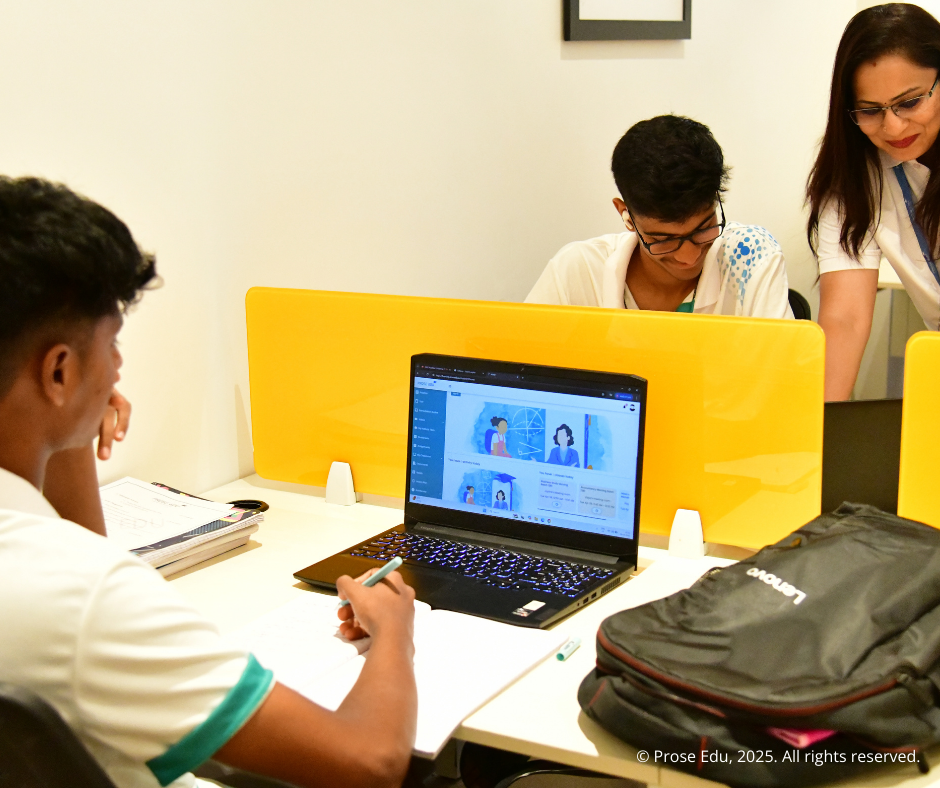
This is where Prose Edu offers a different approach. Its flexible academic ecosystem is designed specifically for student-athletes, allowing them to pursue their education alongside their sporting commitments. With flexible schedules, online learning and personalised academic support, Prose Edu helps students stay on track academically without having to compromise on their sporting goals.
Final Thoughts
Flexible schooling in India is helping redefine what a successful education pathway can look like. Instead of expecting every student to fit into one fixed schedule, flexible models can provide the structure students need while leaving room for their individual goals and circumstances.
For student-athletes, this flexibility can be particularly valuable. Prose Edu creates an academic ecosystem that works around training and competition schedules, giving young athletes the space to focus on their sport while continuing to build a strong academic foundation. With the right support and structure, students can work towards both their sporting ambitions and long-term academic goals.