
Education in India has long followed a fixed routine: attend school every day, follow a standard timetable, and progress at the same pace as everyone else. But as students pursue diverse interests, from sports and performing arts to entrepreneurship and travel, many families are beginning to look for alternatives. This is where flexible schooling in India is gaining attention.
Flexible schooling offers a different approach to education, one that allows students to balance academics with other pursuits while still working towards recognised academic qualifications. As learning evolves in the digital age, this model is becoming increasingly relevant for students who need more adaptable schedules.
What is Flexible Schooling?
Flexible schooling refers to an educational model that allows students to divide their learning between structured academic instruction and independent study. Instead of attending a traditional school for a full day, five days a week, students can learn through a combination of online classes, self-paced study, and sometimes limited in-person sessions.
In simple terms, flexible schooling in India allows students to learn at their own pace while maintaining a structured academic path. This approach can include online learning, open schooling systems, or hybrid models that blend different learning formats.
For many families, flexible schooling provides the opportunity to customise education based on a child’s interests, schedule, and learning style.
Is Flexible Schooling Available in India?
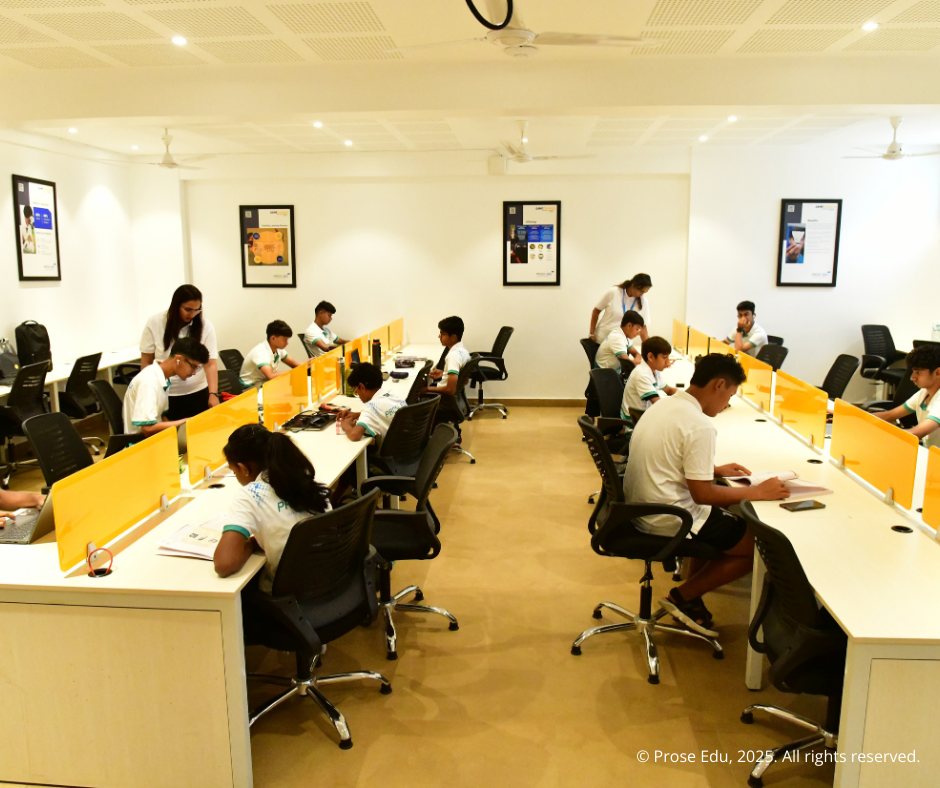
While the exact term “flexi schooling” is not formally defined in many Indian policies, the concept exists through open schooling and online learning systems. Institutions such as the National Institute of Open Schooling (NIOS) have made it possible for students to pursue recognised education with flexible schedules.
These systems allow students to prepare for exams, complete coursework, and progress academically without being tied to the rigid structure of traditional schools. As digital learning platforms expand, flexible schooling in India is becoming a practical option for families looking for more adaptable learning pathways.
How Flexible Schooling Works
Flexible schooling typically combines structured academic learning with independent study time. Students may attend scheduled classes online, work through coursework at their own pace, and appear for examinations through recognised boards.
This structure allows students to plan their day more effectively. For example, a student training in sports or practising an art form can allocate time to training without compromising their academic learning.
Many flexible schooling programmes also encourage personalised learning, where students can explore subjects more deeply and move at a pace that suits them.
Benefits of Flexible Schooling
One of the biggest advantages of Online School in India is the ability to balance academics with other commitments. Students pursuing sports, arts, or other intensive activities often struggle with the rigid schedules of traditional schools. Flexible learning gives them the freedom to train, practise, and travel while continuing their education.
Another major benefit is personalised learning. Students can spend more time on subjects they find challenging and move faster through topics they understand well. This approach can improve both engagement and knowledge retention.
Flexible schooling can also reduce stress caused by strict schedules and academic pressure. By allowing students to structure their day more effectively, it promotes a healthier balance between learning and personal development.
Flexible Schooling vs Traditional Schooling
Traditional schooling offers a structured environment with regular classroom interaction, peer learning, and extracurricular activities. However, it often requires students to follow fixed schedules that may not suit every learner.
Flexible schooling, on the other hand, focuses on adaptability. Students can organise their learning around their personal goals and interests. While it requires discipline and strong time-management skills, it can be a powerful option for students who thrive outside rigid structures.
Flexible Schooling and Student-Athletes
For student-athletes, balancing training and academics can be especially challenging. Competitive sports require early mornings, travel for tournaments, and consistent practice schedules.
This is where flexible schooling in India becomes particularly valuable. By allowing students to learn through online classes and structured academic support, it ensures they can continue their education without sacrificing their training.
The academic ecosystem in Prose Edu is designed specifically with this balance in mind. Here, we support student-athletes by providing online academic learning that fits around their training schedules. From the 2026–27 academic year, students at Prose Edu will also be able to pursue internationally recognised pathways such as International Secondary, IGCSE, AS Level, and A Level, giving them global academic opportunities while continuing their sporting journey.
The Future of Flexible Schooling in India
As the education landscape evolves, flexibility is becoming an essential part of learning. Families are increasingly recognising that every child learns differently and that education should adapt to support their unique paths.
With the growth of digital learning platforms, open schooling systems, and specialised programmes, flexible schooling in India is likely to play a larger role in the future of education. For students pursuing passions beyond the classroom, it offers a pathway where academics and ambition can grow side by side.