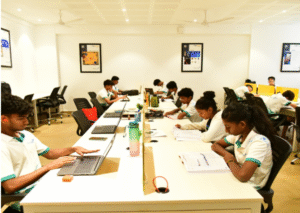

Imagine a school day without traffic, uniforms, or rushing between classes. Just a screen, a stable connection, and a student ready to learn. That’s the new learning reality for thousands of families today and why online school in India is moving from a temporary alternative to a rising choice.
But what does online schooling really offer? Who does it work best for? And how can students thrive in a world where learning takes place outside physical classrooms?
This blog breaks it down simply — how online schooling works, its pros and cons, and what parents should know before choosing the right path.
What Is an Online School in India?
An online school in India allows students to attend live classes from home, complete assignments digitally, and learn through interactive tools such as videos, quizzes, and simulations.
Most platforms include:
- Certified teachers leading virtual classrooms
- Digital assessments and homework submissions
- LMS portals for lesson tracking
- Recorded classes for revision
- Supplementary learning apps and tools
Families today choose between government-backed systems like NIOS, private online schools, and hybrid learning models based on flexibility and convenience.
Why Online Schooling in India Is Growing
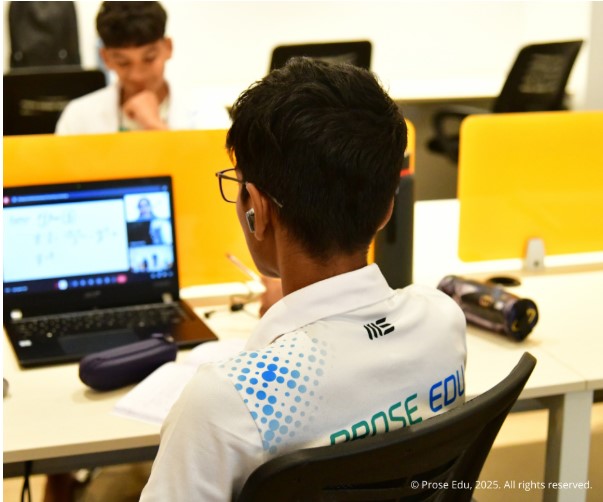
India’s education landscape shifted dramatically during the pandemic, when digital learning became a necessity overnight. But the growth didn’t stop there. Today, online learning continues to rise due to:
- Wider internet access, even in small towns
- Affordable smartphones and laptops
- Increased awareness about alternative schooling pathways
- Demand for flexible, skill-based education
- Families seeking academic options beyond traditional classrooms
For many, online school in India has become a better fit.
Advantages of Online Schooling in India
1. Flexible Learning
Students can learn at their own pace, plan their day better, and dedicate more time to hobbies, training, and skill-building.
This is especially helpful for students with travel commitments, sports schedules, or unique learning needs.
2. Personalised Learning Support
Recorded classes, one-on-one doubt-clearing, adaptive tools, and customised assignments make learning more tailored than in large classrooms.
3. Access to a Wider Range of Subjects
From coding and music to foreign languages and niche electives, online schooling offers subjects traditional schools often don’t.
4. Safety and Convenience
No commuting. No crowds. Fewer health risks. Learning happens in a comfortable, familiar environment.
5. In Many Cases, More Affordable
Families save on transport, uniforms, and other overhead costs. Some online schooling options are significantly more affordable than private offline schools.
Challenges of Online Schooling in India
Despite its advantages, online schooling also comes with limitations:
1. Limited Social Interaction
With fewer opportunities for team sports and peer bonding, students may miss out on social and emotional experiences.
2. Digital Divide
Not all families have reliable devices or internet access.
3. Screen-Time Concerns
Long hours on devices can impact posture, sleep, and physical activity.
4. Distractions
Internet notifications, gaming apps, and digital noise can easily interrupt learning.
How Students Can Succeed in Online Schooling
Online schooling works best when paired with the right habits. Here are simple tips that help students stay focused and consistent:
- Create a dedicated, clutter-free study zone
- Follow a daily routine with balanced breaks
- Use the right tools like video apps, learning platforms, and digital planners
- Stay connected with teachers and ask questions
- Limit screen fatigue with regular eye breaks
- Pursue offline activities to stay active and creative
- Track progress weekly to stay on track
What Parents Can Do to Support Learning
Parents don’t need to play “teacher,” but they do play an important role. A supportive home environment makes a big difference. This includes:
- Setting a structured timetable
- Ensuring a quiet, organised study area
- Monitoring daily progress
- Encouraging consistency
- Celebrating small wins
- Staying in touch with teachers
Together, these habits can make online schooling smoother and more effective.
Where Prose Edu Fits In
At Prose Edu, we work closely with student-athletes who need academic support that fits their training schedules and provide online schooling option.
Our programmes help athletes:
- Stay on track academically while training intensively
- Learn through flexible online classes
- Prepare for exams with structured guidance
- Build discipline, balance, and time-management skills
For many young athletes, the flexibility that an online school in India offers becomes essential and that’s where Prose Edu provides the academic backbone they need.
Conclusion: The Future of Learning Is Hybrid
An online school in India is no longer a part of a temporary trend. It’s a growing movement that offers flexibility, accessibility, and personalised learning while still requiring structure and support from families.
The future lies in blending the best of both worlds: digital convenience with meaningful academic and emotional support.
As India moves toward a more adaptable education system, students who embrace this model, especially young athletes, can find new ways to excel, both in and beyond the classroom.