
India’s education roots go back to the gurukul system, where learning was deeply personal, immersive, and connected to life. Students lived, learned, and grew in close mentorship with their teachers, building not just academic knowledge but also values, life skills, and a sense of community.
While education in India has evolved significantly since then, the core idea behind holistic learning is finding its way back through alternative schools in India. These schools are reimagining what education can look like when it moves beyond rigid structures and embraces individuality.
What Are Alternative Schools in India?
Alternative schools in India refer to learning environments that move away from conventional, standardised schooling models. They are often known as progressive schools, experimental schools, or non-traditional learning spaces.
At their core, these schools are designed to offer educational experiences that are not typically available in mainstream systems. Instead of focusing only on grades and fixed curricula, they prioritise the overall development of a child, including emotional, social, and creative growth.
Why Alternative Schooling is Gaining Attention
For many families today, traditional schooling does not fully meet the needs of every child. The one-size-fits-all approach, combined with exam-focused learning, can sometimes limit creativity and individuality.
This has led to a growing interest in alternative schools in India, especially among parents looking for:
- More personalised learning experiences
- Flexible pacing based on the child’s ability
- Less pressure from marks and standardised testing
- A stronger focus on creativity and critical thinking
- Learning environments that support mental well-being
The shift is not about rejecting traditional education entirely. It is about finding a system that aligns better with how children actually learn and grow.
Key Elements of Alternative Education
Alternative schooling systems are built on a few core principles that set them apart:
Personalised Learning
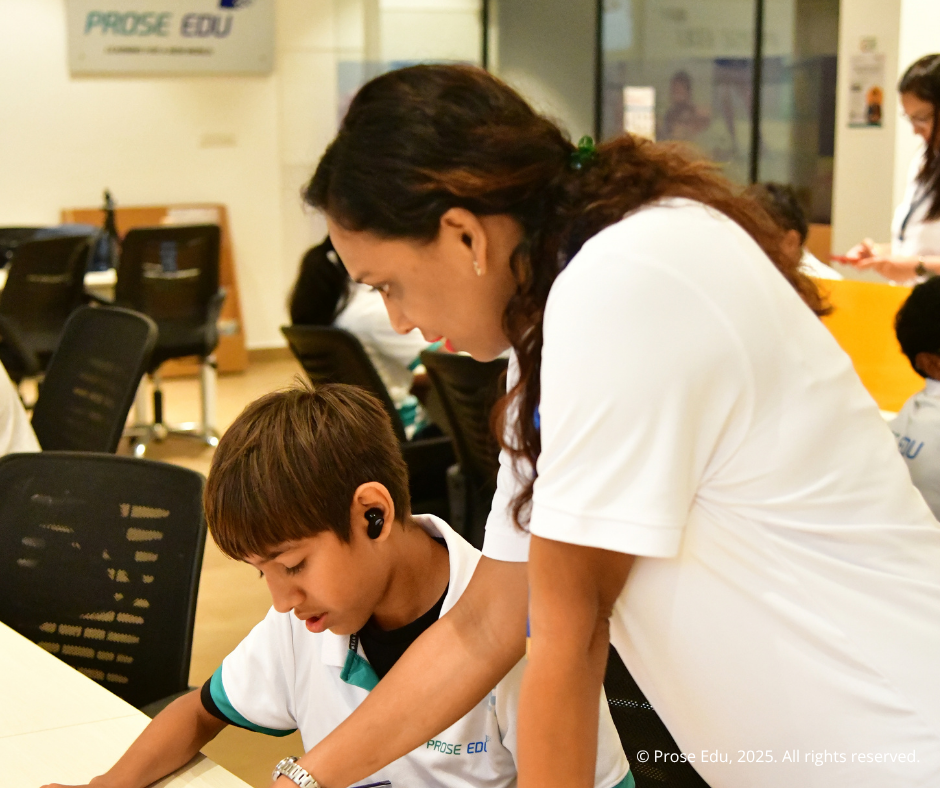
Every child learns differently. Alternative schools recognise this and tailor learning experiences based on individual strengths, interests, and pace.
Flexible Curriculum
Unlike rigid syllabi, these systems allow students to explore subjects more deeply or even pursue unconventional areas of interest.
Experiential Learning
Learning by doing is a central focus. Projects, real-world exposure, internships, and hands-on activities play a key role in building understanding.
Holistic Development
Education goes beyond academics. Emotional intelligence, physical well-being, creativity, and social awareness are all equally important.
Community and Collaboration
Many alternative schools encourage close relationships between students, teachers, and families, creating a supportive learning environment.
The Influence of Global Educational Thought
The philosophy behind Alternative Schools in Bangalore is not new. It draws inspiration from global educators and movements that have long advocated for child-centric learning.
Approaches like Montessori, Waldorf, and Reggio Emilia have shaped how alternative education is perceived worldwide. These models focus on curiosity, exploration, and self-directed learning, rather than rote memorisation.
In many ways, they echo the principles of the traditional Indian gurukul system, where education was deeply connected to life and environment.
Benefits of Alternative Schooling
Alternative education offers several tangible advantages for students:
Encourages Curiosity and Creativity
Students are given the freedom to ask questions, explore ideas, and think independently.
Builds Real-World Skills
Through experiential learning, students develop problem-solving abilities, communication skills, and adaptability.
Supports Emotional Well-being
With less emphasis on high-pressure exams, students often experience a more balanced and positive learning environment.
Promotes Lifelong Learning
Instead of learning for marks, students develop a genuine interest in learning that continues beyond school.
Finding Balance in a Flexible System
While alternative schools in India offer flexibility and innovation, many students still need structured academic pathways, especially when preparing for higher education or competitive exams.
This is where combining alternative learning with recognised academic systems becomes important. Some students choose open schooling options or structured programmes alongside alternative education to ensure they remain academically aligned.
A Support System That Adapts
For student-athletes and individuals pursuing demanding passions, this balance becomes even more critical. At Prose Edu, we work closely with such learners to ensure that their education adapts to their lives. Through guided academic support, structured online learning, and mentorship, we help students stay consistent with their studies while continuing to grow in their chosen fields. The goal is not to limit students to one system, but to create a pathway that combines flexibility with direction.
Conclusion
The rise of alternative schools in India reflects a larger shift in how we view education. It is no longer just about completing a syllabus or achieving high marks. It is about nurturing individuals who are curious, capable, and confident in navigating the world. As education continues to evolve, alternative schooling offers an important reminder. Learning works best when it is meaningful, adaptable, and centred around the learner.