Traditional schooling works well for many students, but it does not suit everyone. Increasingly, families are exploring NIOS schooling in India and other open schooling systems that offer flexibility, independence, and personalized learning pathways.
Open schooling is an alternative education system that allows students to learn at their own pace while still earning recognized academic qualifications. From homeschooled learners and professional athletes to students with unique learning needs, open schooling provides an adaptable framework that supports diverse educational journeys.
In this article, we explore how NIOS schooling in India works, the open school boards available, and how open learning can benefit students looking for flexible academic pathways.
Understanding Open Schooling in India
Open schooling is a learner-centric education system designed to provide flexibility in both learning methods and examination schedules. Unlike traditional schools that follow rigid timetables and fixed subject combinations, open schooling allows students to design their education based on their needs and goals.
Many students choose open schooling for reasons such as:
- Pursuing professional sports, arts, or other demanding careers
- Homeschooling while still appearing for board examinations
- Learning at a personalized pace
- Managing special educational needs
- Avoiding restrictive subject combinations in traditional schools
- Balancing travel, competitions, or training schedules
For parents and students considering this option, active parental guidance is important. While open schooling offers autonomy, parents must help children stay disciplined, motivated, and aligned with their long-term goals.
NIOS Schooling in India
The most prominent open schooling system in the country is the National Institute of Open Schooling (NIOS).
What is NIOS?
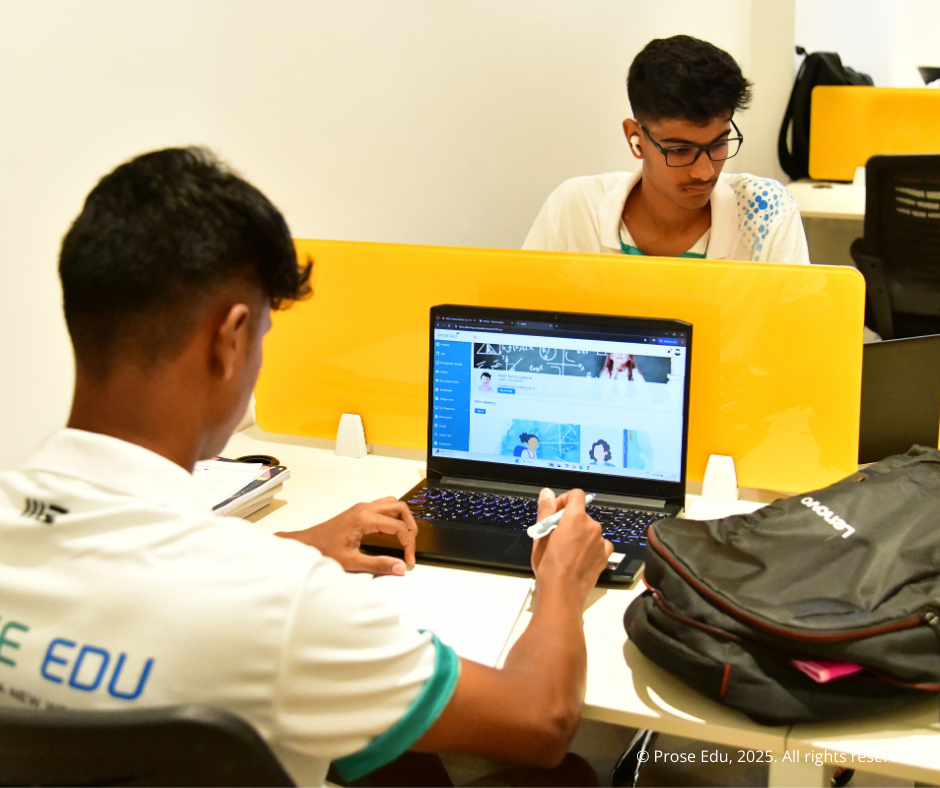
The National Institute of Open Schooling (NIOS) is the largest open schooling board in India and one of the biggest open schooling systems in the world. Established by the Government of India in 1989, NIOS provides flexible education through distance and open learning.
Students enrolled in NIOS schooling in India can complete:
- Secondary education (equivalent to Class 10)
- Senior secondary education (equivalent to Class 12)
- Vocational education programs
- Open Basic Education programs
The qualifications awarded by NIOS are recognised and considered equivalent to other national boards such as CBSE and CISCE, allowing students to pursue higher education. Millions of learners across the country have benefited from Online School in Bangalore, making it a widely accepted alternative education pathway.
Curriculum and Examination Pattern
One of the biggest advantages of NIOS schooling in India is its flexible curriculum structure.
Key features include:
- Learner-centric approach to education
- Freedom to choose subject combinations
- Study at one’s own pace
- Exams can be taken one subject at a time
Students receive specially designed self-instructional study materials that support independent learning.
To supplement self-study, NIOS also provides:
- Audio-visual learning resources
- Weekend and holiday contact classes at study centres
- Tutor Marked Assignments (TMAs) for evaluation
Registration in the NIOS system is valid for five years, allowing students to complete their subjects at a comfortable pace. Students can also change or add subjects during this period, provided the total does not exceed seven subjects.
NIOS offers:
27 subjects at the secondary level
23 subjects at the senior secondary level
Students must take at least one language, but otherwise enjoy a flexible “cafeteria approach” when selecting subjects. Vocational subjects can also be taken alongside academic ones.
Examination Flexibility
NIOS conducts two public examinations each year:
April–May
October–November
Additionally, it offers the On-Demand Examination System (ODES), which allows students to take exams whenever they feel prepared, instead of waiting for scheduled board exams. This feature makes NIOS schooling in India especially attractive for students who need flexible timelines.
Open Basic Education (OBE)
Apart from secondary and senior secondary programs, NIOS also offers Open Basic Education (OBE), which is equivalent to schooling up to Class 8.
This program is designed for:
- Children without access to formal schooling
- Learners in rural or underserved areas
- Adults seeking foundational education
The OBE program has three levels:
Level A: Equivalent to Classes 1–3
Level B: Equivalent to Classes 4–5
Level C: Equivalent to Classes 6–8
These programs are often supported by NGOs and community learning centers that provide additional guidance.
NIOS Schooling for Homeschoolers
Homeschooling is gradually gaining popularity in India, particularly among families seeking personalised education models.
While homeschooling allows complete freedom in learning, many parents prefer to combine it with NIOS schooling in India so that their children can obtain recognised board certifications.
Through NIOS, homeschooled students can appear for Class 10 and Class 12 examinations, enabling them to pursue higher education in India or abroad.
Eligibility for NIOS Public Examinations
The eligibility criteria for NIOS exams are straightforward:
Secondary (Class 10 equivalent)
Minimum age: 14 years
Senior Secondary (Class 12 equivalent)
Students must complete at least two years after passing Class 10.
Students can prepare for exams through self-study or by attending study centres, depending on their preferred learning style.
Higher Education Opportunities
Students who complete NIOS schooling in India can apply for admissions to colleges and universities across the country.
They may pursue:
- Undergraduate courses in Arts, Science, or Commerce
- Professional programs such as Engineering, Medicine, and Law
- Diploma and vocational courses
Most universities accept NIOS qualifications on par with other recognised boards, provided students have taken the necessary subjects required for their chosen field.
Why NIOS Schooling is Gaining Popularity
Traditional schools often offer only limited subject combinations, which may not align with a student’s interests or career aspirations. In contrast, NIOS schooling in Bangalore and other open schooling systems allow learners to explore diverse subject combinations.
For example, students can study subjects like:
- Psychology
- Economics
- Mathematics
in combinations that are not typically available in regular schools.
This flexibility allows students to discover their interests before committing to a specific career path.
Conclusion
Open schooling is transforming the way education is delivered. With its flexible learning structure, personalised pace, and recognised qualifications, NIOS schooling in India has emerged as a powerful alternative to traditional schooling.
For students pursuing sports, arts, entrepreneurship, or other specialised interests, open schooling offers the freedom to balance academics with personal passions.
However, success in open schooling requires self-discipline, guidance, and clear goals. When approached thoughtfully, it can empower students to become independent learners and confident decision-makers, ready to shape their own educational journey.